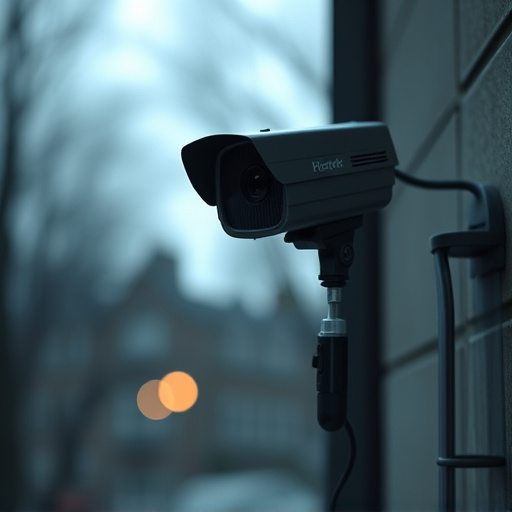
Spy cameras and microphones are advanced technologies for covert surveillance, offering discrete video and audio recording capabilities in everyday objects. With features like night vision, remote control, and high-quality audio, they serve diverse purposes from evidence gathering to personal safety, but raise legal and ethical concerns regarding privacy. Detection methods include visual inspection and digital forensics, while prevention involves maintenance, access controls, and education. Responsible use is crucial, balancing security needs with individual freedoms.
“Uncover the world of spy listening devices—sneak peeks into hidden corners that can fit in your pocket. This comprehensive guide explores the intricate components of spy cameras and microphones, shedding light on how these tiny tools capture audio and video secretly. From diverse applications in surveillance, home security, and even journalism, we delve into the types, detection methods, and legal boundaries surrounding their use. Prepare to navigate the fascinating yet controversial landscape of hidden listening devices.”
Understanding Spy Listening Devices: An Overview
Spy listening devices, also known as hidden cameras with microphones, are sophisticated pieces of technology designed to capture audio and visual information discreetly. These devices can be tiny, easily concealed within everyday objects like pens, pots plants, or even buttons, making them nearly invisible to the naked eye. They offer a level of covert surveillance that was once only possible in movies and television shows.
The typical spy listening device comprises a camera and microphone combination, often with infrared capabilities for night vision. Some models can record audio and video simultaneously, while others may have different recording modes to suit various needs. Their compact size and remote control features make them versatile tools for personal or professional use, offering a way to gather evidence, monitor environments, or simply satisfy curiosity without the subject’s knowledge.
Components of a Spy Camera and Microphone System
Spy cameras and microphones are sophisticated tools designed for covert surveillance, each with its own set of components to achieve optimal performance. A typical spy camera system comprises a miniature camera sensor, high-quality lenses, and an internal memory or storage solution. These devices often utilize advanced image stabilization technology to ensure clear and steady footage, even in challenging conditions. The camera is strategically placed within a discrete housing, allowing it to blend into its surroundings while capturing video or still images.
Microphone systems employed in spy gear are equally fascinating. They typically consist of a high-fidelity microphone element, capable of picking up sounds with remarkable clarity and accuracy. These microphones are often designed to be compact and power efficient, ensuring they can operate discreetly for extended periods. Signal amplification and noise reduction technologies further enhance their performance, enabling the capture of even whispered conversations or distant audio.
Types and Applications: Where are they Used?
Spy listening devices, a discrete and sophisticated technology, come in various types tailored for specific applications. One common category is the spy camera and microphone duo, designed to capture video and audio covertly. These are often miniature, easily concealable, and can be hidden in everyday objects like pens, buttons, or even flower pots. Their versatility allows them to be used in a multitude of scenarios: from home security to corporate surveillance, legal investigations, and even personal safety.
In the realm of spy camera and microphone applications, they find utility in real estate for remote property monitoring, insurance assessments, and home security systems. In the corporate sector, these devices aid in fraud detection, intellectual property protection, and general workplace surveillance. Legal professionals employ them for evidence gathering, while individuals may use them for personal safety or to protect valuable collections. Their discreet nature ensures they can operate unseen and unheard, making them powerful tools when privacy and secrecy are paramount.
Detection and Prevention Techniques
Detection and prevention techniques for spy cameras and microphones have become increasingly sophisticated as technology advances. One of the primary methods of detection involves visual inspection and digital forensics. This includes using specialized equipment to scan for hidden cameras, thermal imaging to detect heat signatures that may indicate covert recording devices, and software tools that analyze video feeds and audio signals for any unusual patterns or anomalies.
Prevention measures focus on making environments less conducive to espionage. This can include regular maintenance and upgrades of security systems, the use of privacy-enhancing technologies like infrared filters and non-reflective surfaces, as well as implementing strict access controls and surveillance protocols. Additionally, educating individuals about the risks and signs of spy cameras and microphones is crucial, encouraging them to be vigilant and report any suspicious devices or activities promptly.
Legal Considerations and Ethical Use
The use of spy cameras and microphones raises a range of legal and ethical considerations. In many jurisdictions, the installation or use of these devices without explicit consent is illegal, infringing upon privacy rights protected by law. This is especially true in public spaces or for surreptitious monitoring of individuals’ activities, as it can be seen as an invasion of personal privacy. Even in private residences, there are strict guidelines regarding hidden surveillance, with many countries mandating that any such devices must be clearly visible to avoid legal repercussions.
Ethically, the use of spy cameras and microphones should be approached with utmost care. They should only be employed for legitimate purposes, such as law enforcement investigations or safety measures in high-risk environments, where consent cannot be obtained due to exigent circumstances. Unauthorized use for personal gain, espionage, or harassment is not only illegal but also deeply unethical. It’s crucial to maintain a balance between security needs and individual freedoms, ensuring that surveillance technologies are employed responsibly and transparently.